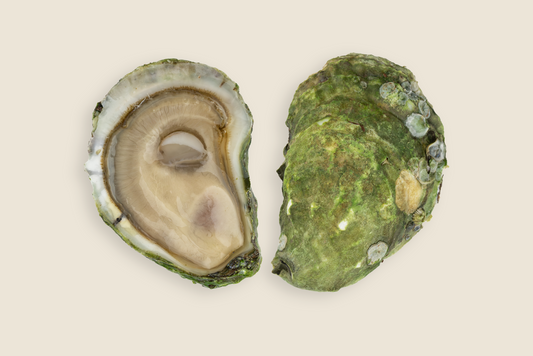
FOR THE LOVE OF ALL THATâS SALTY AND NUTRITIOUS
â We cultivate our oysters with pride, and it shows. Whether youâre a newbie trying your first oyster or a seasoned oyster lover, weâre pretty confident youâll love them and keep coming back for more.â
Collection: Products
-
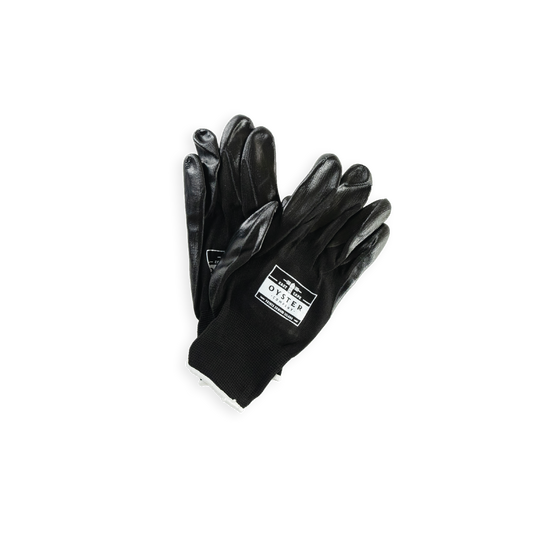
East Cape Gloves
Vendor:East Cape OysterRegular price $8.00 CADRegular priceUnit price / perSale price $8.00 CAD -
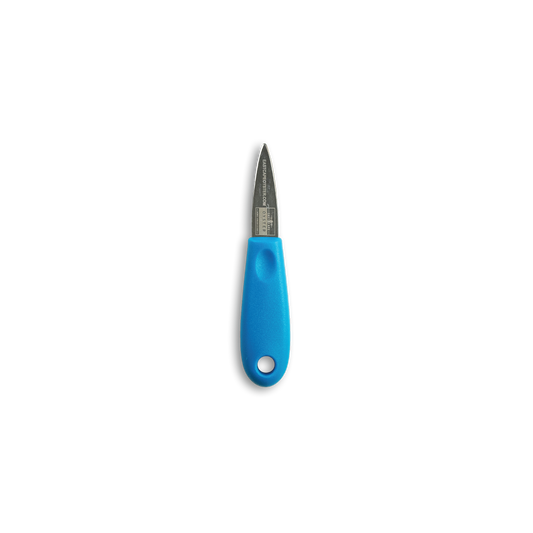
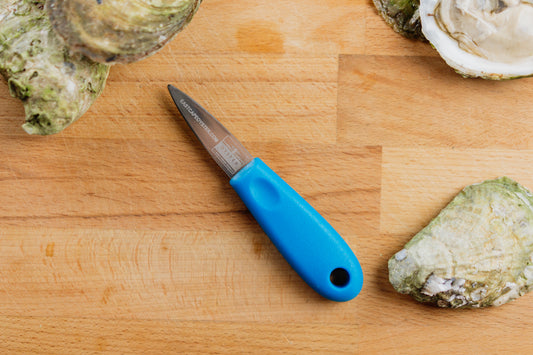
East Cape Shuckers
Vendor:East Cape OysterRegular price $8.00 CADRegular priceUnit price / perSale price $8.00 CAD -
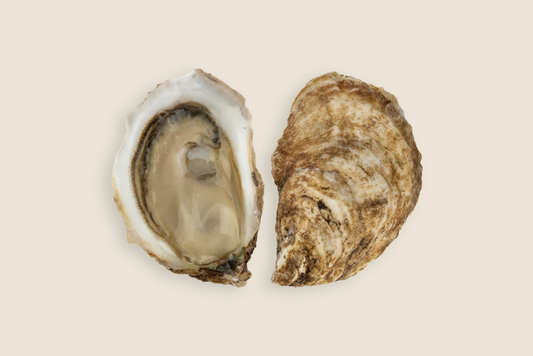
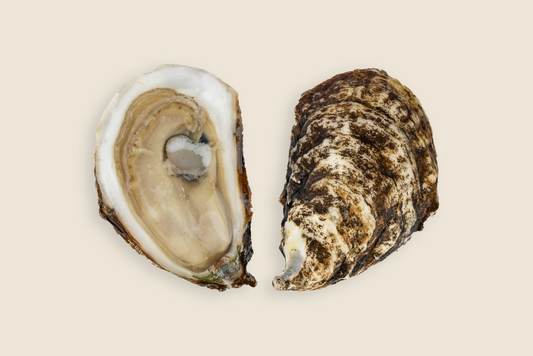
Northern Belle
Vendor:East Cape OysterRegular price From $85.00 CADRegular priceUnit price / perSale price From $85.00 CAD
FAQ
Are oysters really alive when I get them?
Yes â and thatâs exactly how you want them.
Oysters are alive until shucked, which is what keeps them fresh and flavourful. Handle them gently, store them properly, and enjoy them within a few days for the best experience.
How should I store them?
Cold, damp, and breathable.
Place oysters cup-side down in a bowl or tray, cover them with a damp cloth or paper towel, and keep them in the fridge (ideally 2-4°C). Donât seal them in a bag or airtight container â they need air. And never store them in fresh water or directly in melting ice â itâll kill them.
How do I know if theyâre still good?
Do the tap test.
If an oyster is open, give it a tap. If it doesnât close up, itâs no longer alive and should be tossed. Fresh oysters smell like the ocean â clean and briny, never funky.
Do I need to clean them before serving?
They arrive pretty clean â but a quick rinse never hurts.
Our oysters come scrubbed and sorted, but itâs always a good move to give them a quick rinse under cold running water before shucking. It helps remove any loose grit and keeps your presentation sharp.
How do I shuck them without losing a finger?
Use the right tools and take your time.
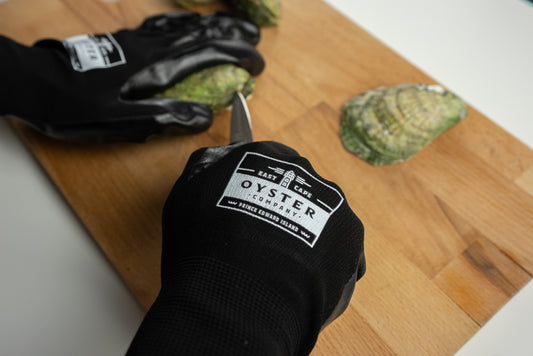
Grip the oyster with a towel or wear a glove, then slide an oyster knife into the hinge and twist gently (like revving a motorcycle). Run the blade along the top shell to release the muscle donât forget to detach the muscle from the bottom shell. Try to keep the liquor inside â that salty brine is part of the flavor.
Whatâs the best way to serve them?
Chilled and clean.
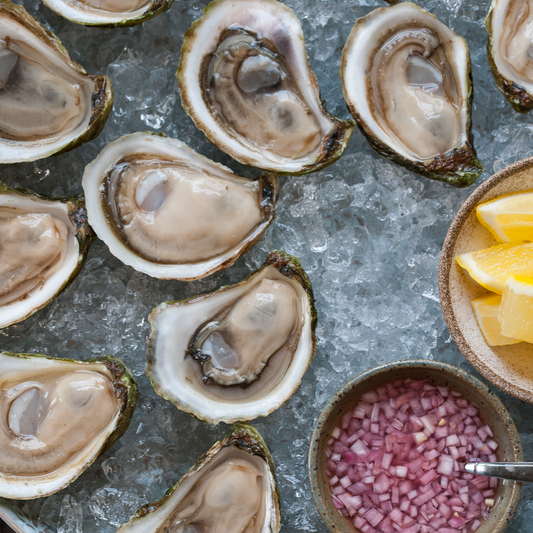
Nest oysters on a bed of crushed ice or rock salt and serve with lemon wedges, mignonette, or your favorite hot sauce. Do not let them sit at room temperature for more than 60 minutes. Let the oysters shine â theyâre the star of the show.
Can I cook them?
Absolutely.
Not everyoneâs into raw â and cooked oysters can be just as special. Grill them until they pop open, then finish with butter, garlic, or a spicy oil. Or shuck them open and broil with breadcrumbs and cheese for a rich, savory treat. Theyâre versatile and crowd-friendly.
What should I drink with them?
Think crisp, clean, and a little coastal.
Classics like Champagne, Chablis, or Muscadet are always a win. Or mix it up with dry cider, a citrusy G&T, or a funky pĂ©t-nat. Just steer clear of anything too sweet â you want to complement the brine, not fight it.
Can I freeze oysters?
Only if you plan to cook them later.
Freezing live oysters will kill them, so theyâre no longer safe to eat raw. But if youâre planning to cook, you can freeze shucked oysters (with their liquor) in a sealed container for up to 3 months. Just know the texture changes â best to use them in stews, stuffings, or cooked dishes where melt-in-your-mouth beats briny bite.
What can I do with the shells?
Donât toss âem.
After rinsing and boiling, reuse for grilling or baking. Crush for garden mulch or pest control. Use whole as plant drainage or DIY salt cellars, candle holders, and coastal dĂ©cor. Durable, natural, and full of character â oyster shells are the ultimate upcycle.